Fire Barriers
01179570164

Fire barriers, also known as fire curtains, are crucial components in ensuring the safety of buildings and their occupants in the event of a fire. These specialized barriers are designed to prevent the spread of fire and smoke, effectively compartmentalizing the affected areas and allowing for safe evacuation routes. By deploying advanced materials and intelligent designs, fire barriers offer vital protection, buying valuable time for occupants and emergency responders.
The effectiveness of fire barriers lies in their ability to withstand intense heat and direct flames, thereby impeding the progress of the fire. Moreover, modern fire barrier systems are designed with an emphasis on seamless integration into the overall architectural aesthetics, ensuring that they do not detract from the visual appeal of the space during normal circumstances.
As part of a comprehensive fire safety strategy, fire barriers play a vital role in protecting lives and property. Their integration into building design and infrastructure is a proactive step towards enhancing overall safety and minimizing the potential impact of fire-related incidents.
Maintaining Fire Barriers for Optimal Safety
At 365 our services do not just stop at installation, maintenance is an important aspect of all fire protection.
Proper maintenance of fire barriers is essential to ensure their reliable performance in the event of a fire. Regular inspection and upkeep activities are crucial for preserving the integrity of fire barriers and upholding their effectiveness as critical components of a building’s fire safety strategy.
Inspections and Testing
Regular inspections should be conducted to assess the condition of fire barriers and identify any signs of wear, damage, or obstruction. This involves examining the barrier materials, structural components, and any associated fire-stopping systems to verify their compliance with safety regulations and performance standards. Additionally, testing the functionality of fire barrier systems, including their ability to deploy and seal off designated areas effectively, is paramount to confirm their operational readiness.
Repair and Replacement
Prompt repair of any identified damage or deterioration is imperative to restore the fire barriers to optimal condition. Damaged or compromised barrier materials, seals, or mechanisms should be promptly repaired or replaced to maintain the barriers’ integrity and performance. This may involve addressing issues such as gaps, breaches, or weakened sections that can compromise the ability of fire barriers to contain fire and smoke.
Documentation and Compliance
Maintaining comprehensive records of all inspections, maintenance activities, repairs, and upgrades is essential for demonstrating compliance with relevant fire safety standards and regulations. These records serve as critical documentation of the fire barrier maintenance history and facilitate informed decision-making regarding the need for any further enhancements or interventions.
Training and Awareness
Educating building occupants, maintenance personnel, and relevant stakeholders about the importance of fire barrier maintenance is fundamental. Awareness of the significance of properly maintained fire barriers, as well as the proper procedures for reporting any observed issues, contributes to a proactive approach to fire safety within the built environment.
By prioritizing the regular maintenance and upkeep of fire barriers, building owners and facility managers can contribute significantly to the overall safety and resilience of the property, protecting occupants and assets in the event of a fire.
Remember, ensuring the proper functioning of fire barriers through rigorous maintenance practices is a proactive investment in safeguarding lives and property.
Different Fire Barriers
Firefly Fire Barrier
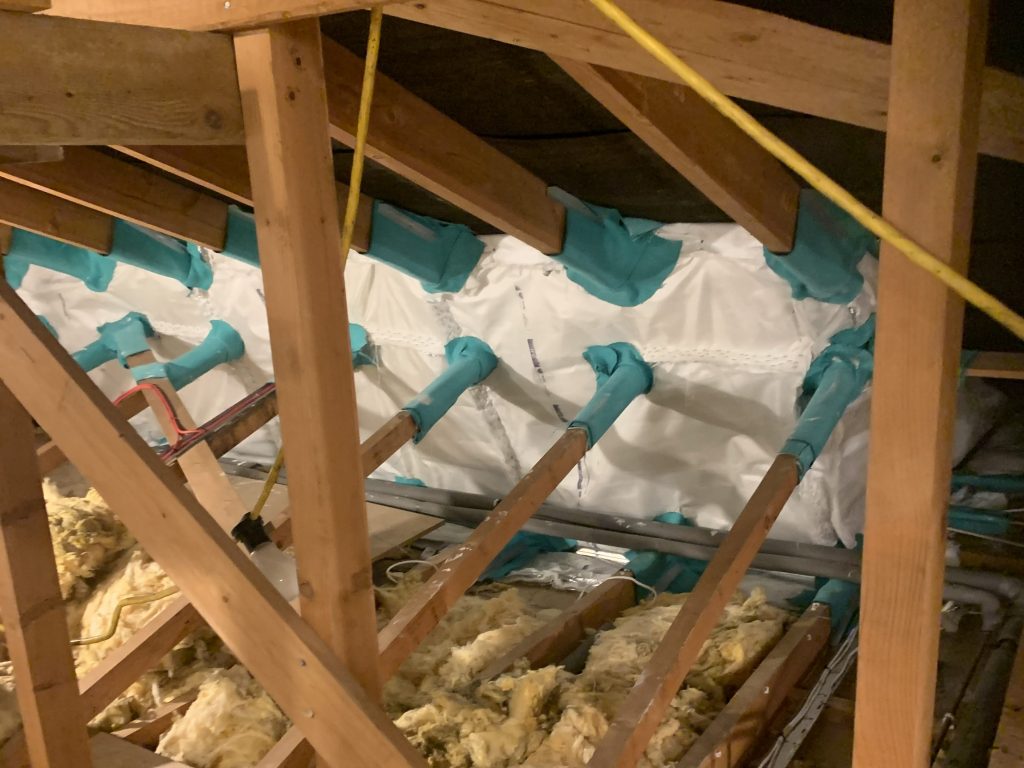

Firefly and Rockwool fire barriers are two distinct types of fire barrier systems, each offering unique features and benefits for fire protection applications.
Firefly Fire Barriers
Firefly fire barriers are known for their advanced technical features and innovative designs. These barriers are often characterized by their high-performance materials and specialized construction, designed to withstand intense heat and direct flames. These systems are designed to provide crucial protection, offering valuable time for safe evacuation and reducing the risk of harm to occupants and property.
Rockwool Fire Barriers
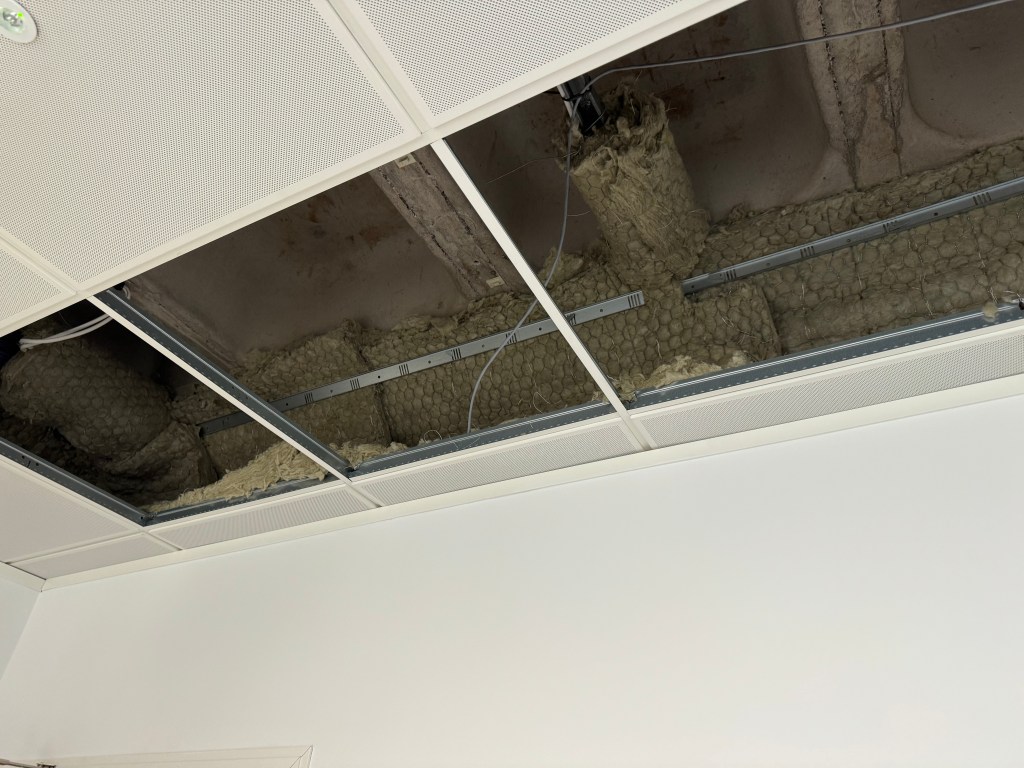
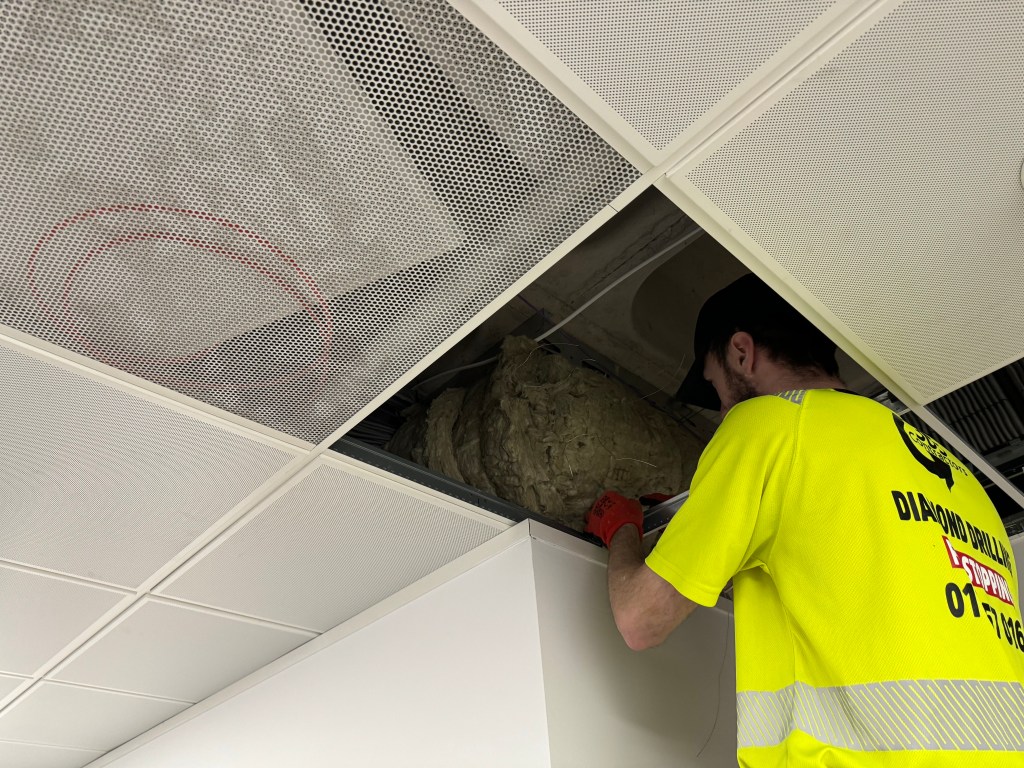
Rockwool fire barriers, on the other hand, are recognized for their specific construction using Rockwool insulation materials. These barriers are designed to effectively prevent the spread of fire and smoke, contributing to the compartmentalization of areas in the event of a fire. Rockwool fire barriers are engineered to withstand high temperatures and to offer reliable fire protection, thereby enhancing the overall safety of buildings and occupants. These systems are often integrated as part of a comprehensive fire safety strategy, playing a vital role in safeguarding lives and property.
In summary, both Firefly and Rockwool fire barriers are essential components in fire protection, each with distinct characteristics tailored to specific fire safety requirements. The choice between the two depends on the unique needs of a building or space, as well as specific regulatory and design considerations.
Rockwool Fire Barrier