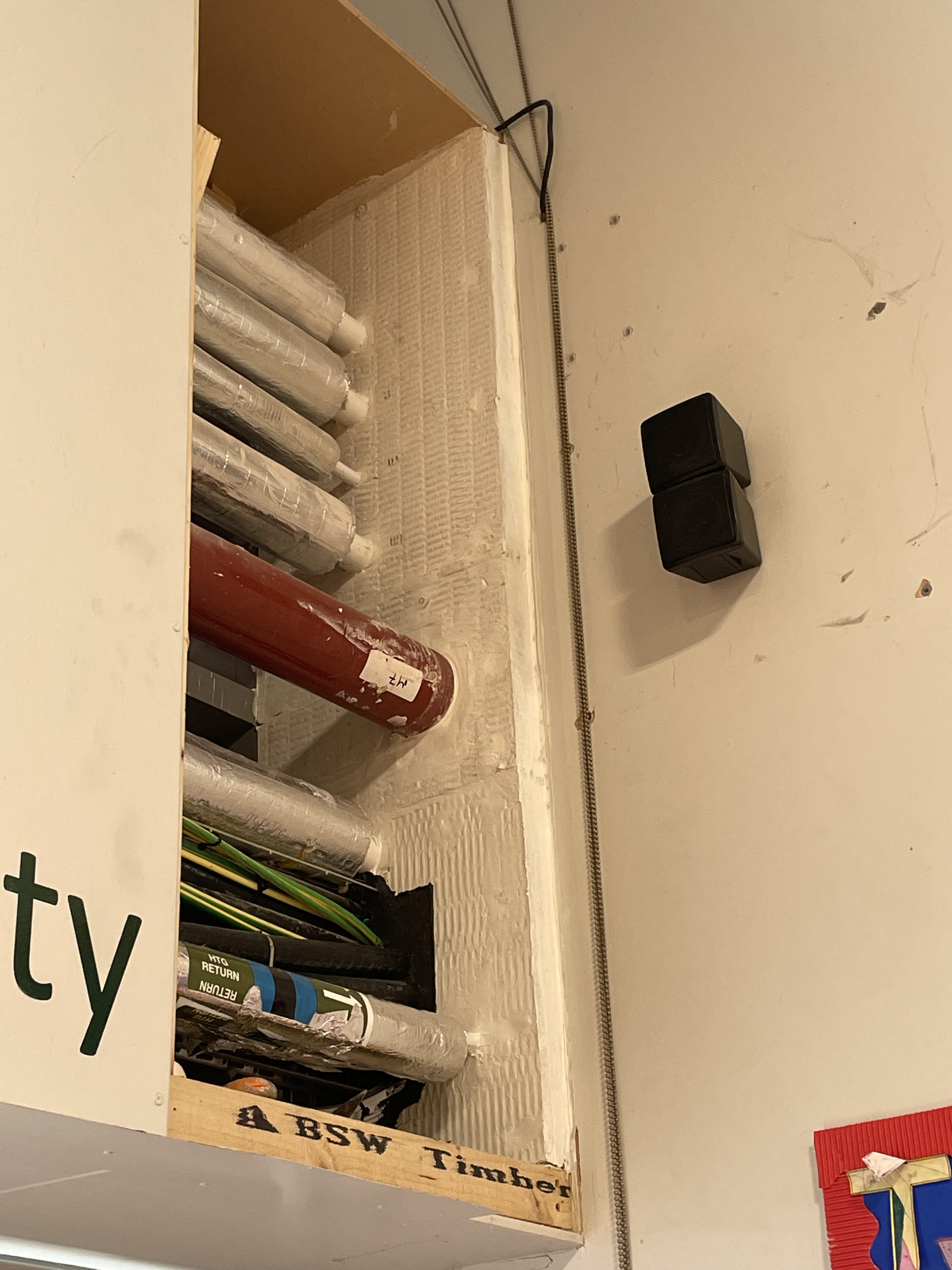
Penetration Sealing
01179570164

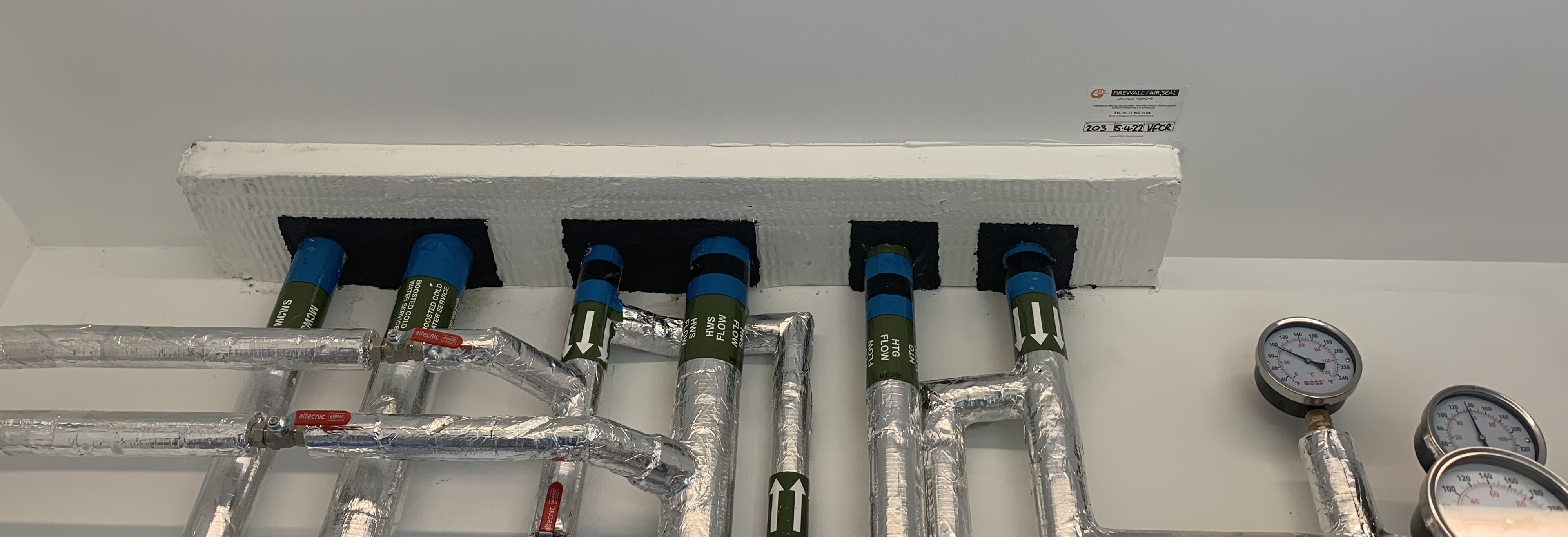
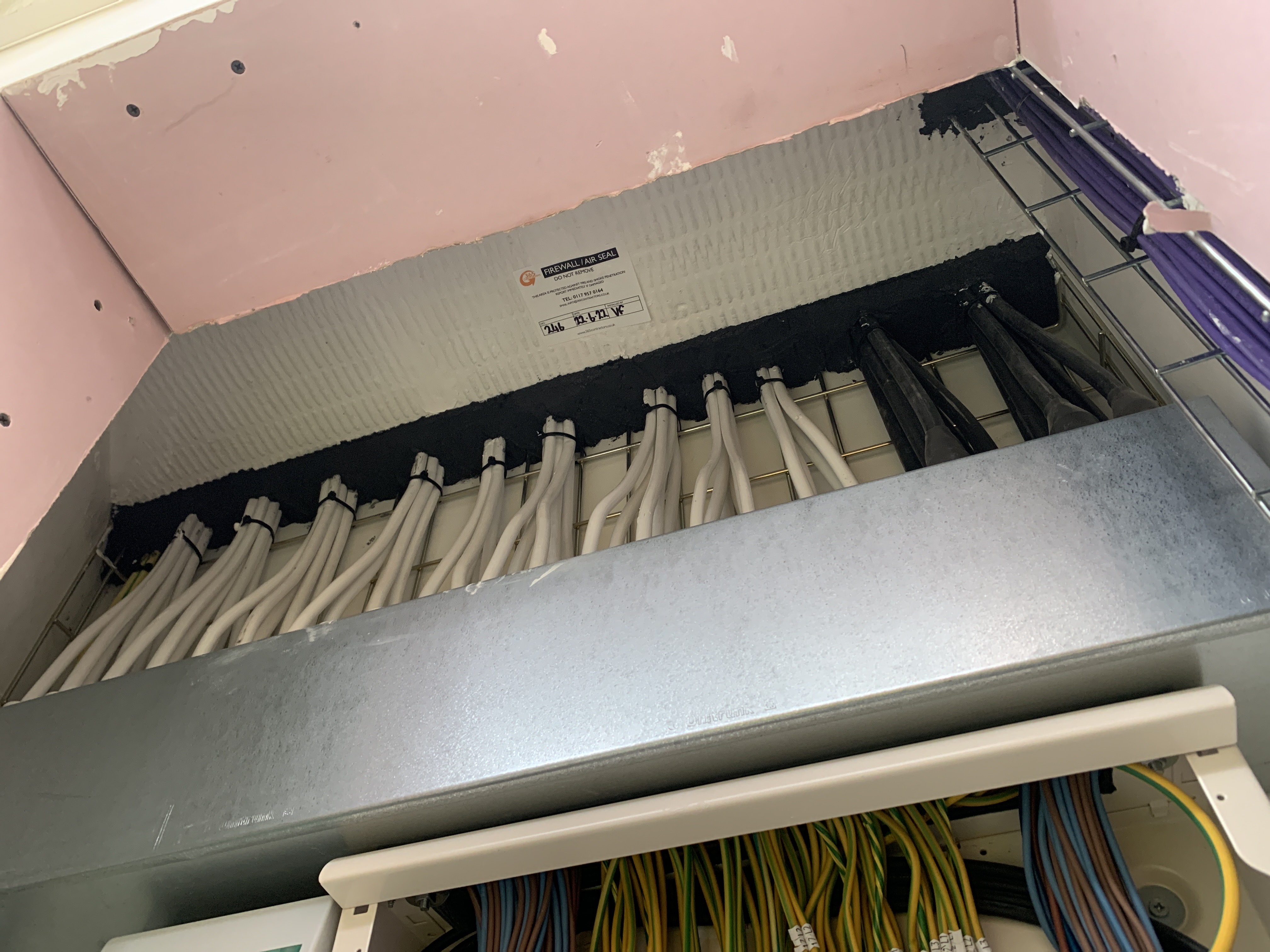
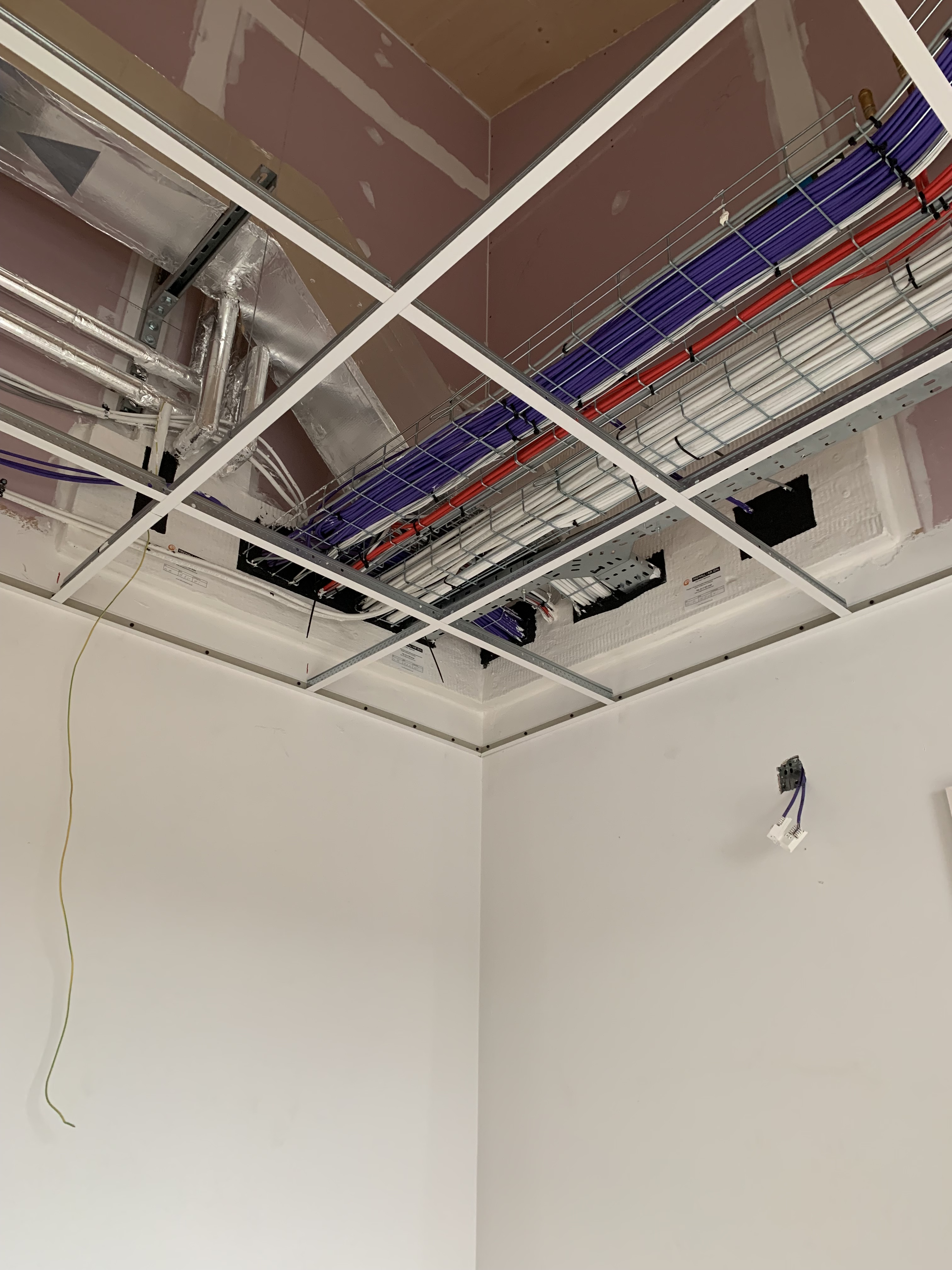
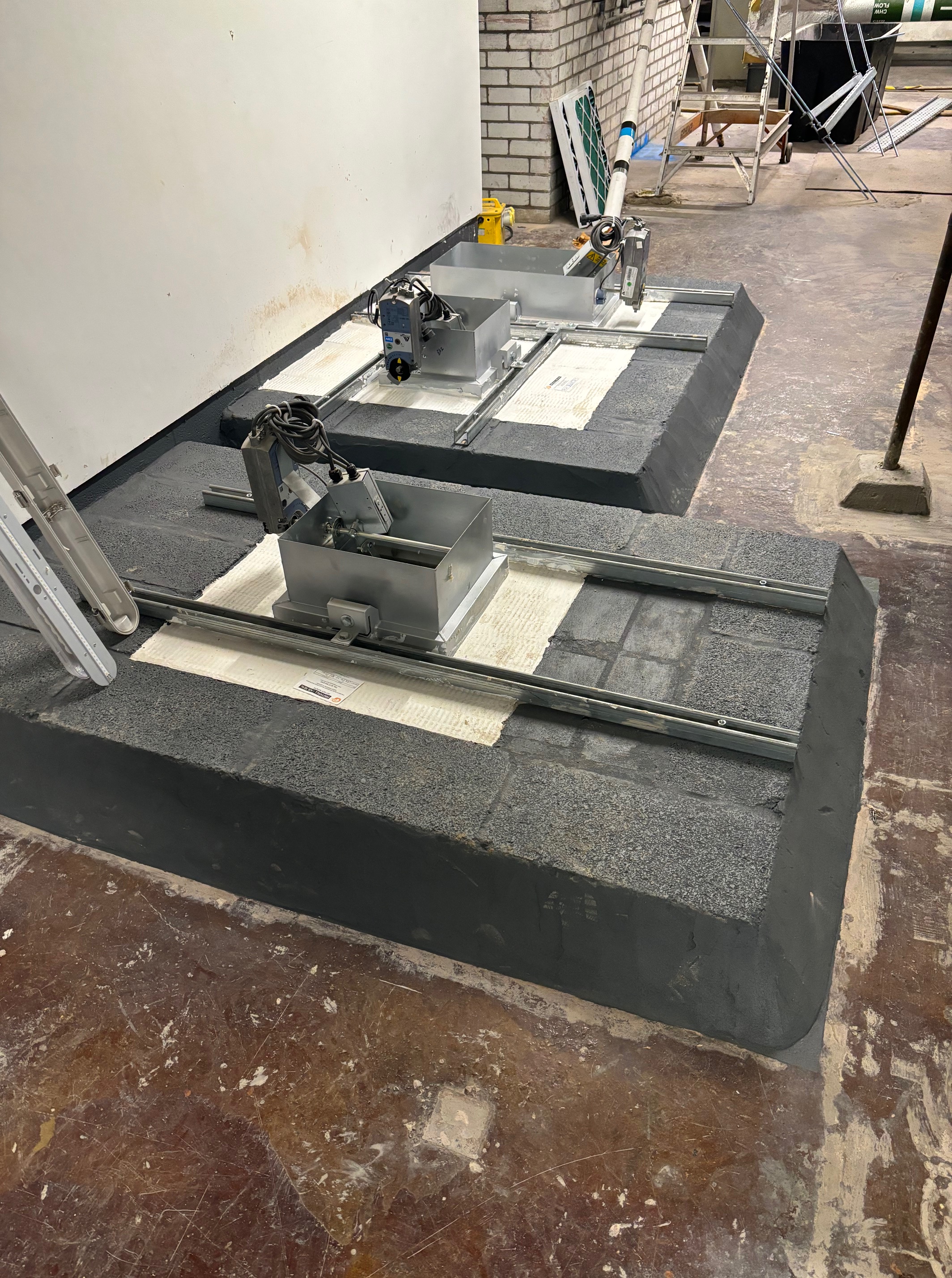
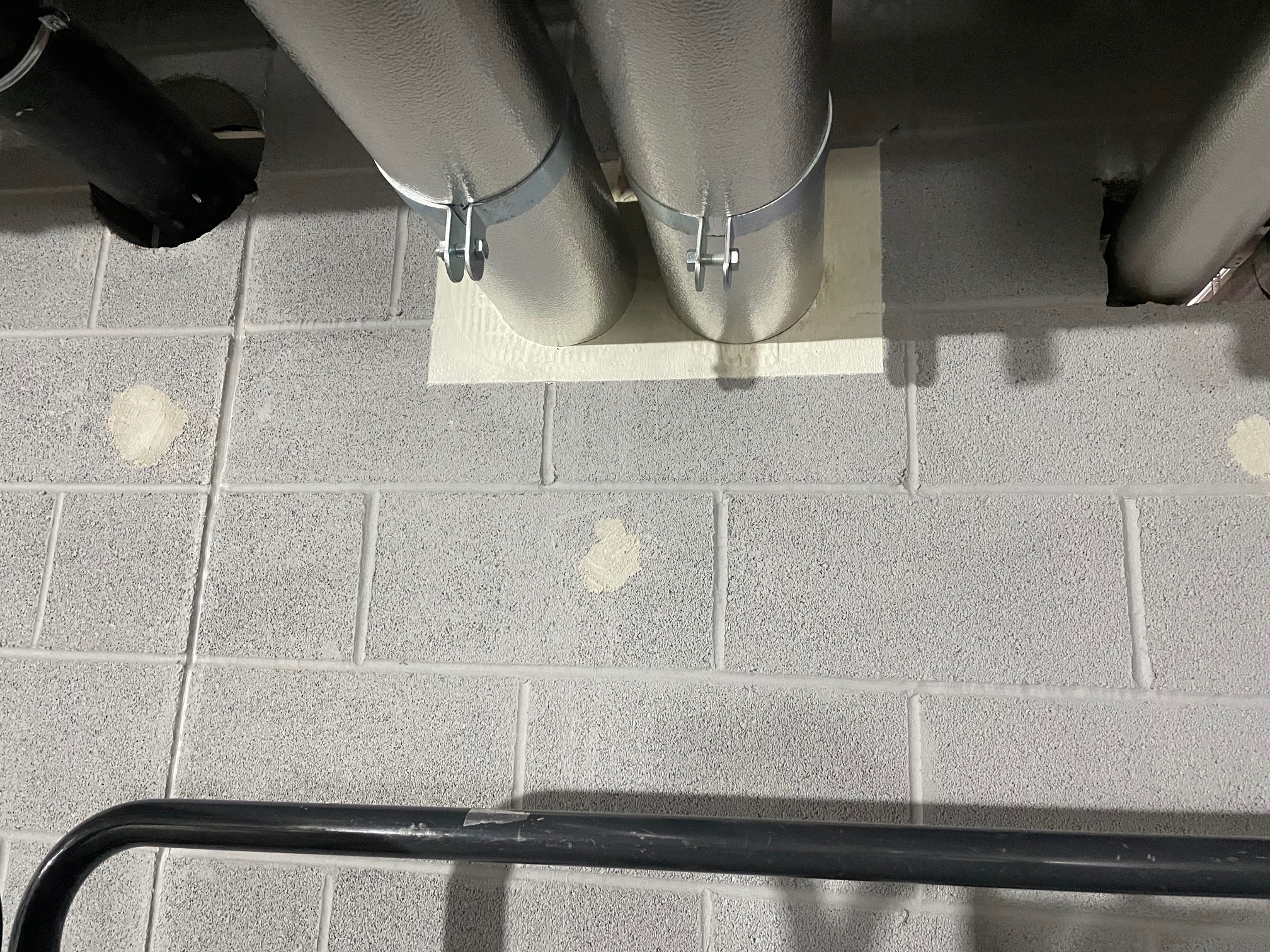
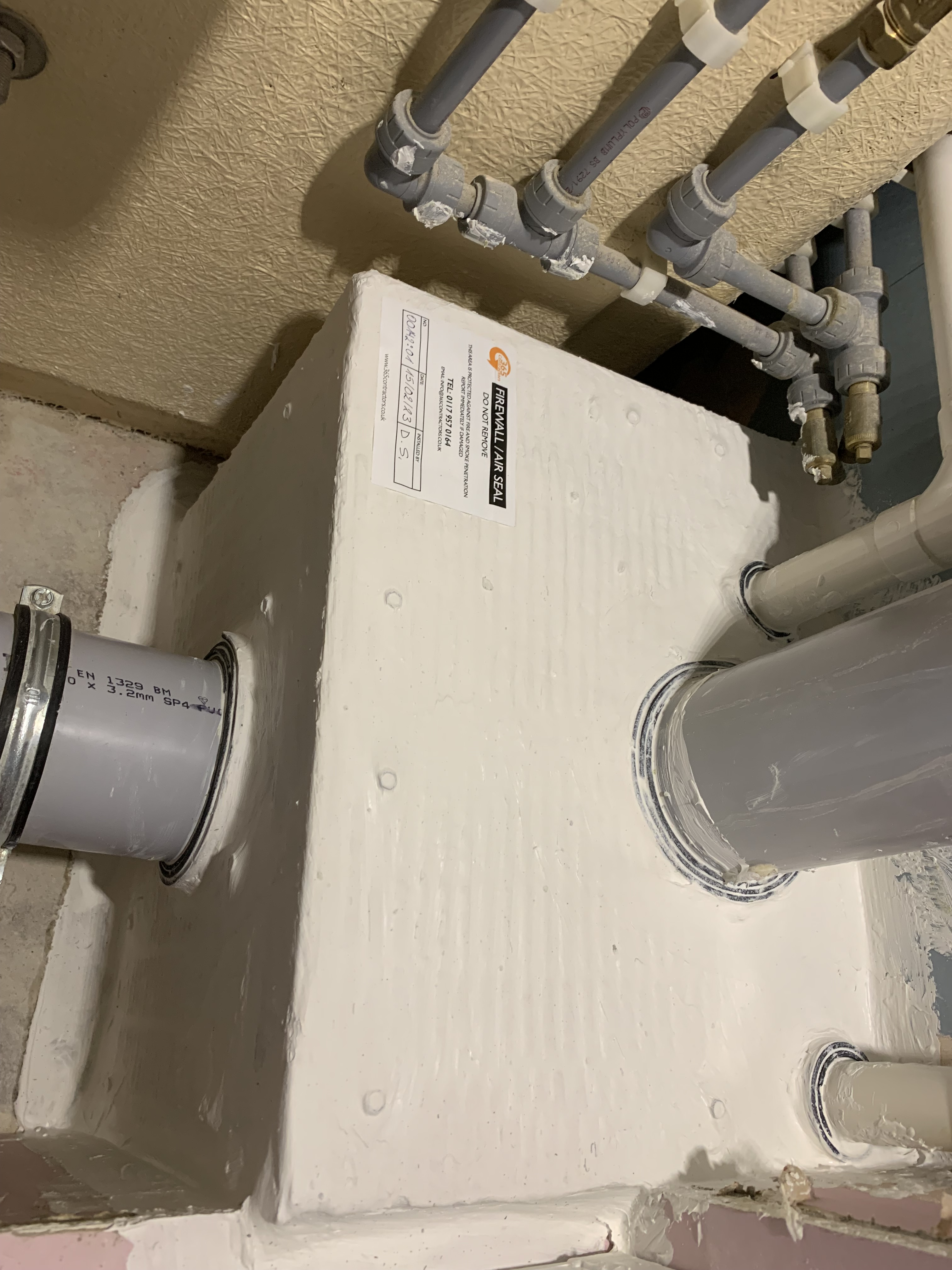
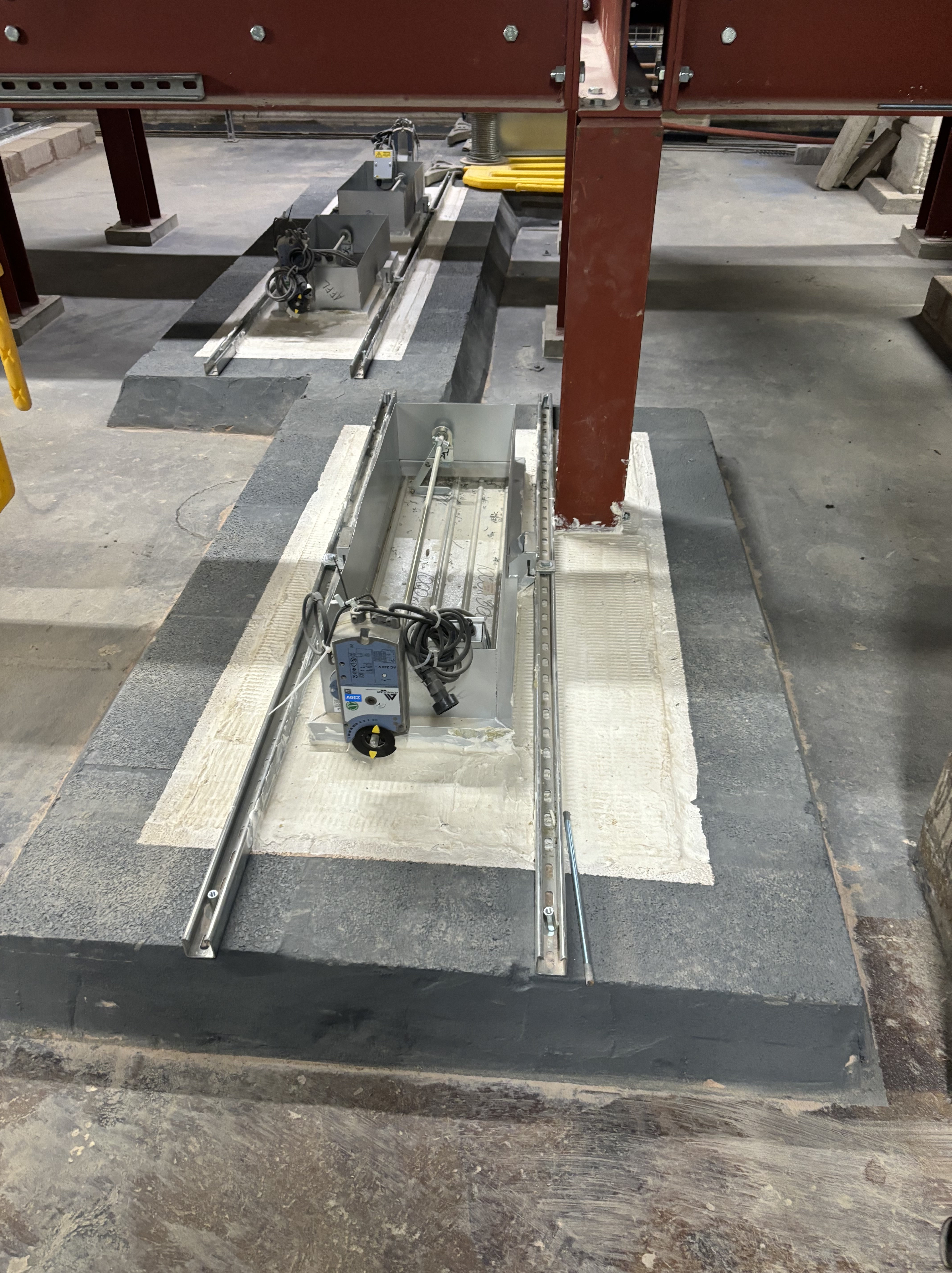
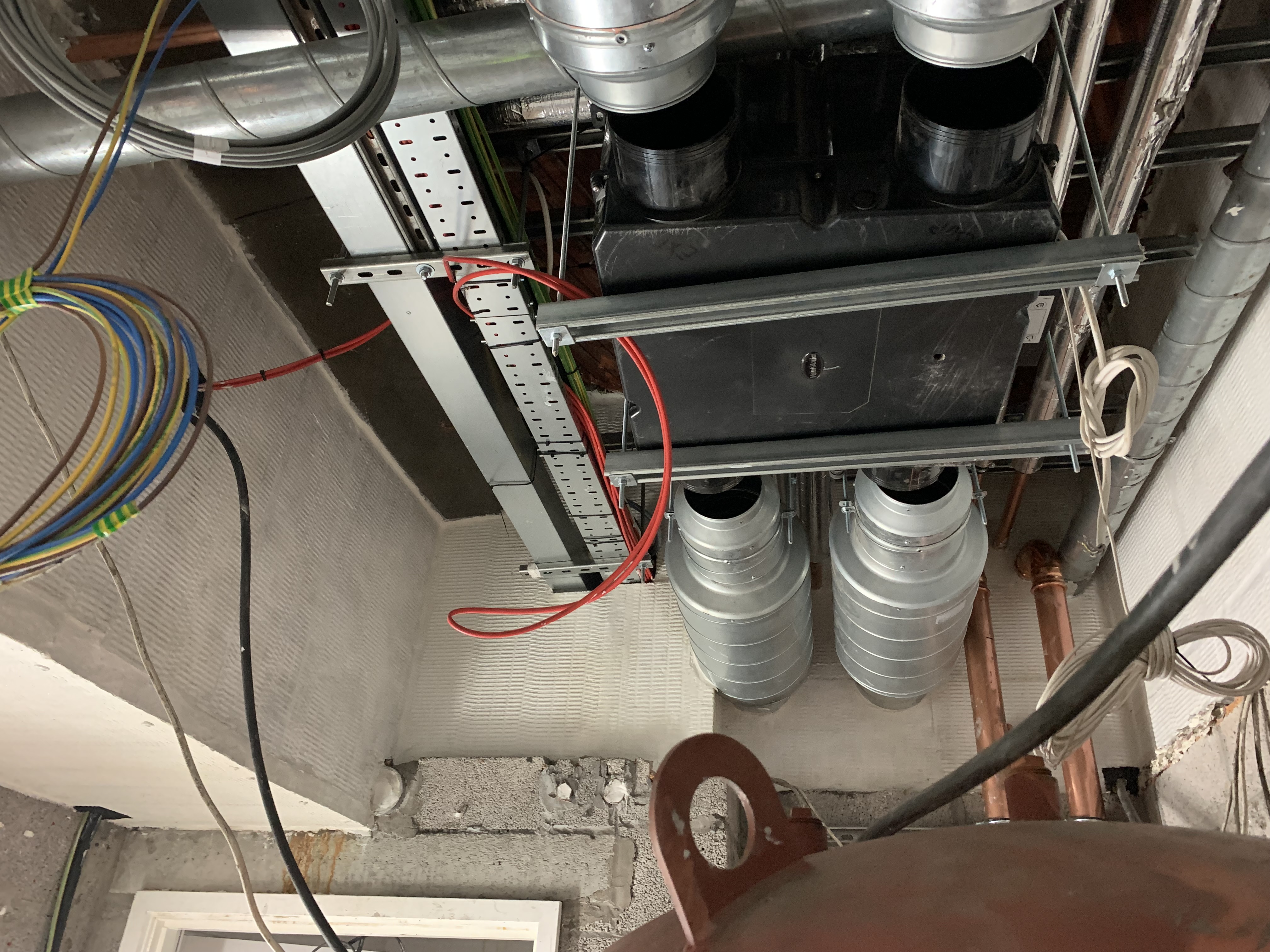
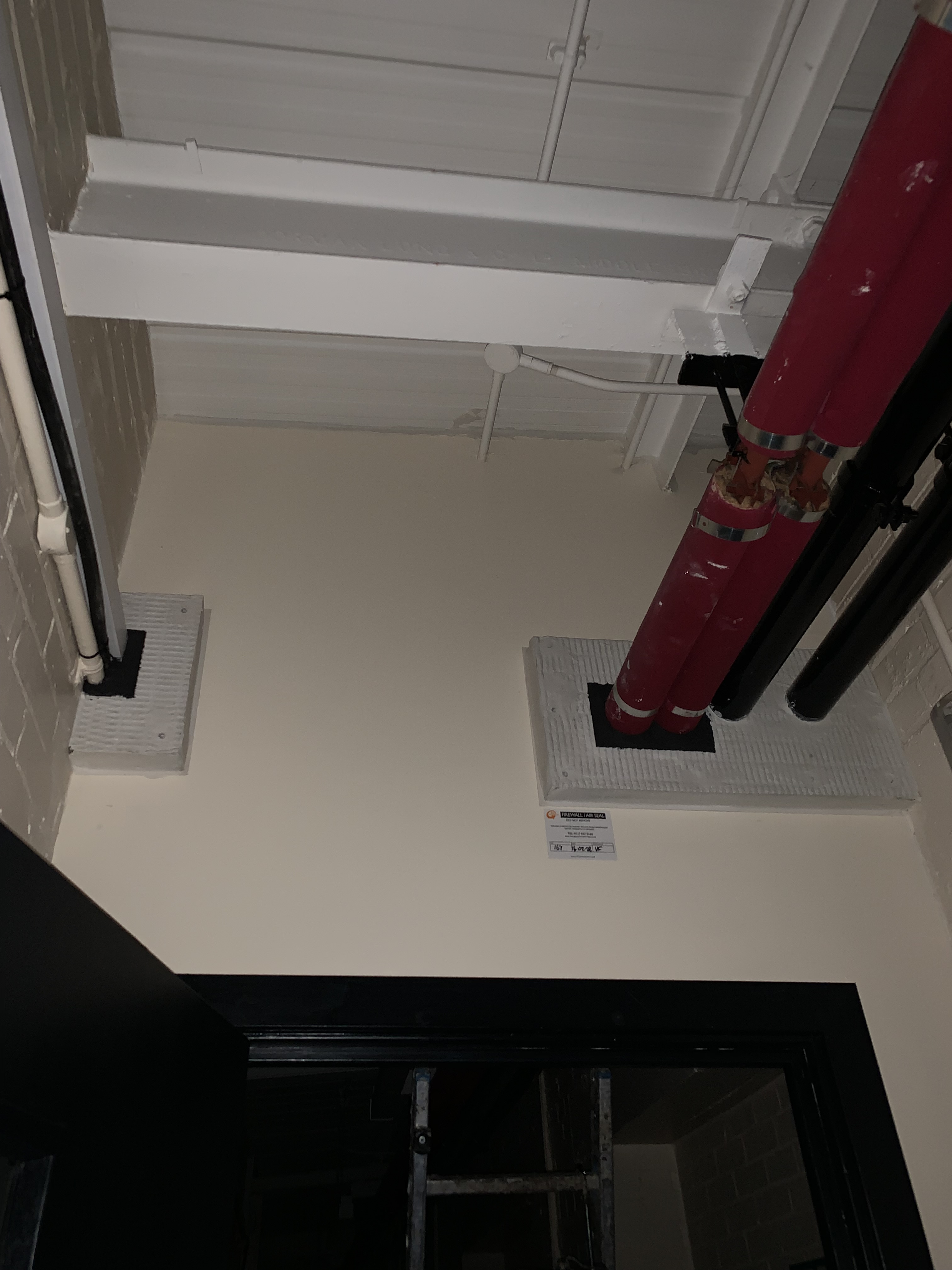
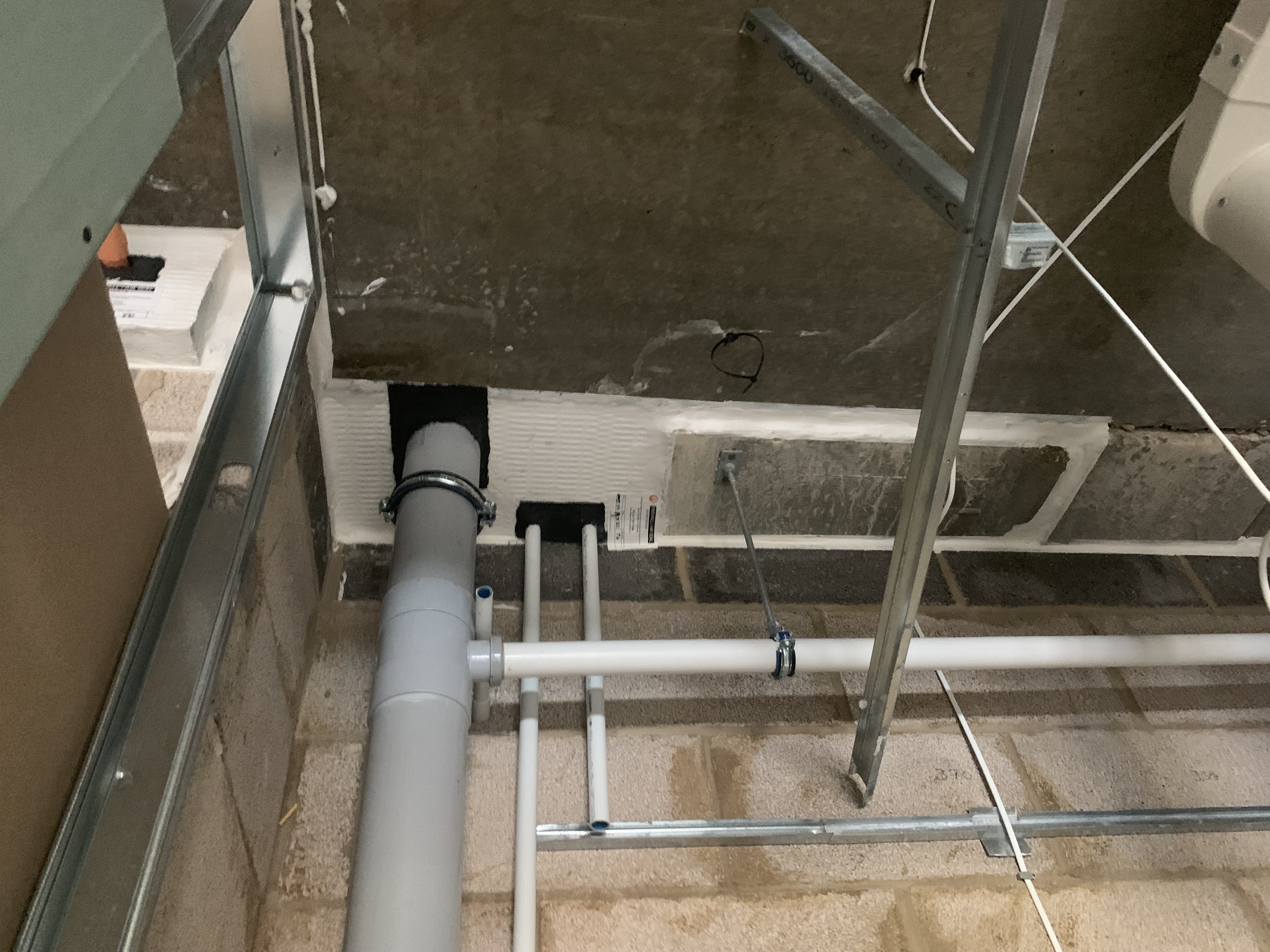
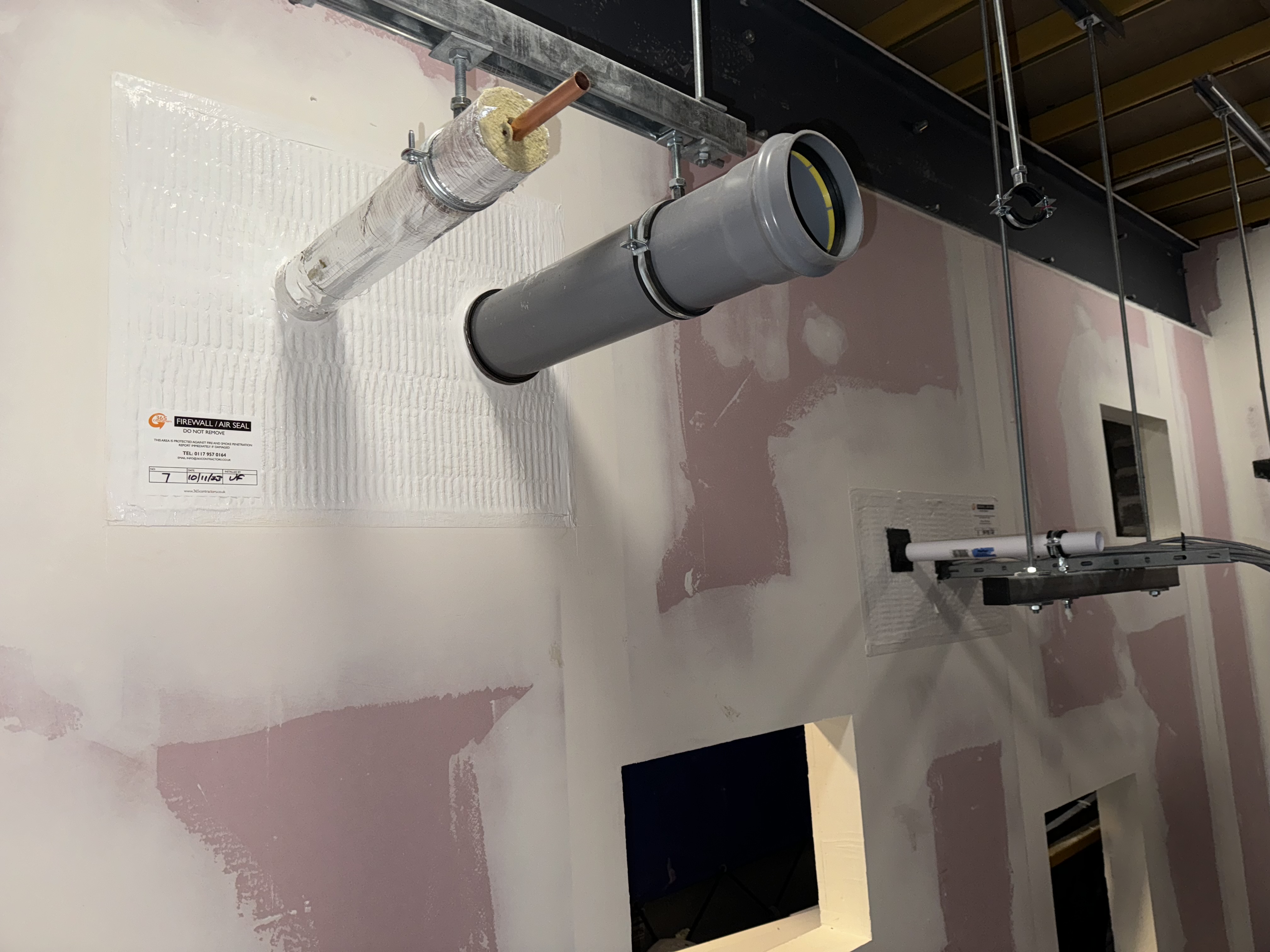
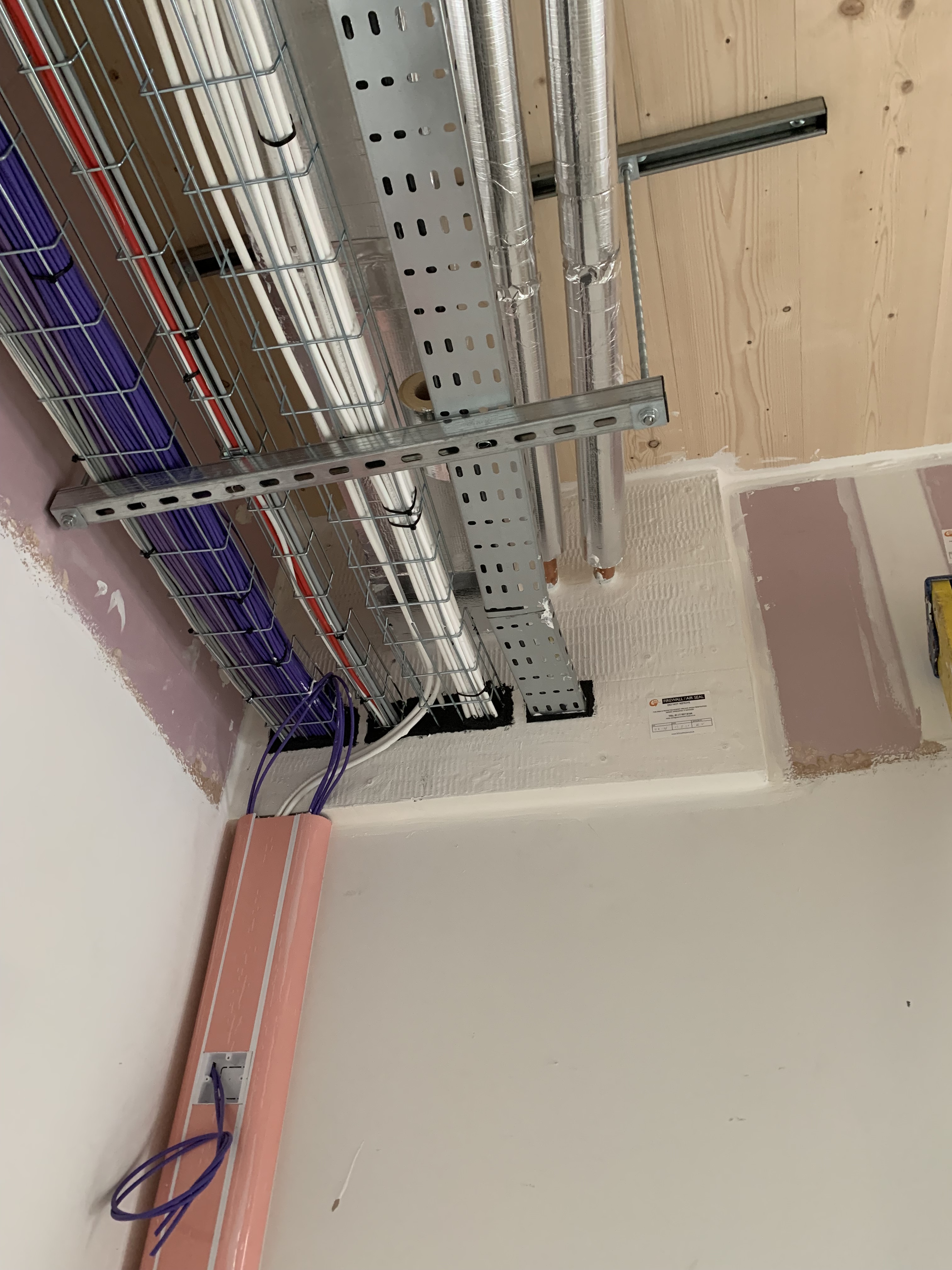
Penetration sealing and fire protection are crucial aspects of building safety and compliance with fire regulations. Penetration sealing involves the use of various materials and techniques to seal any openings or gaps in walls, floors, and ceilings to prevent the spread of fire, smoke, and toxic gases in the event of a fire. Proper penetration sealing helps to maintain the fire resistance rating of a structure and ensures that the integrity of fire compartments is not compromised.
Fire protection goes beyond prevention and encompasses measures to detect, contain, and suppress fires to minimize damage and maximize the safety of occupants. This often includes the installation of fire detection and suppression systems, as well as the use of fire-resistant materials and the implementation of safety protocols.
Together, penetration sealing and fire protection contribute to creating a safer environment in buildings, providing crucial time for evacuation and minimizing the impact of a fire on both property and lives. It is essential for property owners, facility managers, and construction professionals to prioritize these aspects during the design, construction, and maintenance of buildings to ensure the highest level of safety and compliance with fire codes and standards.

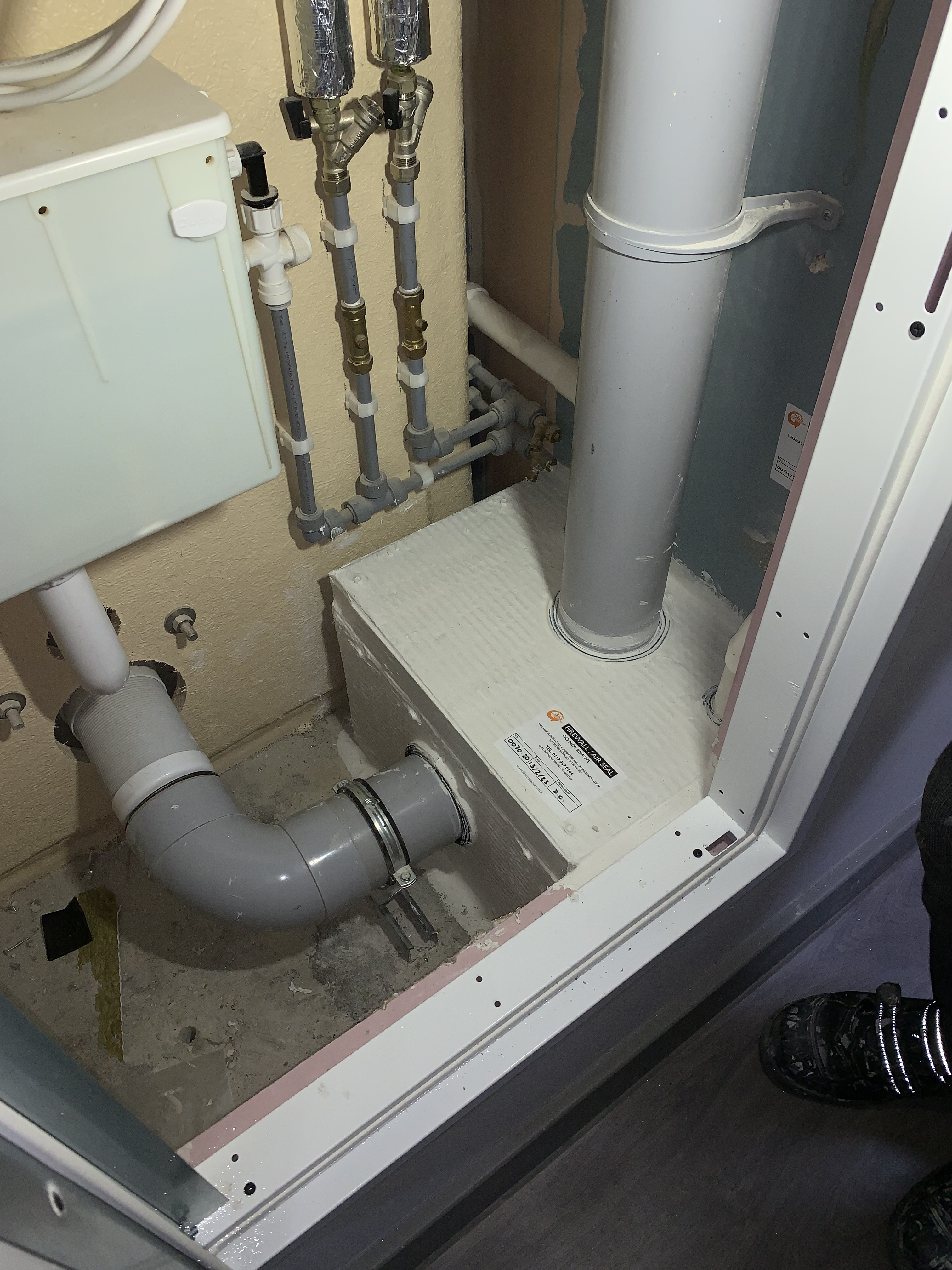
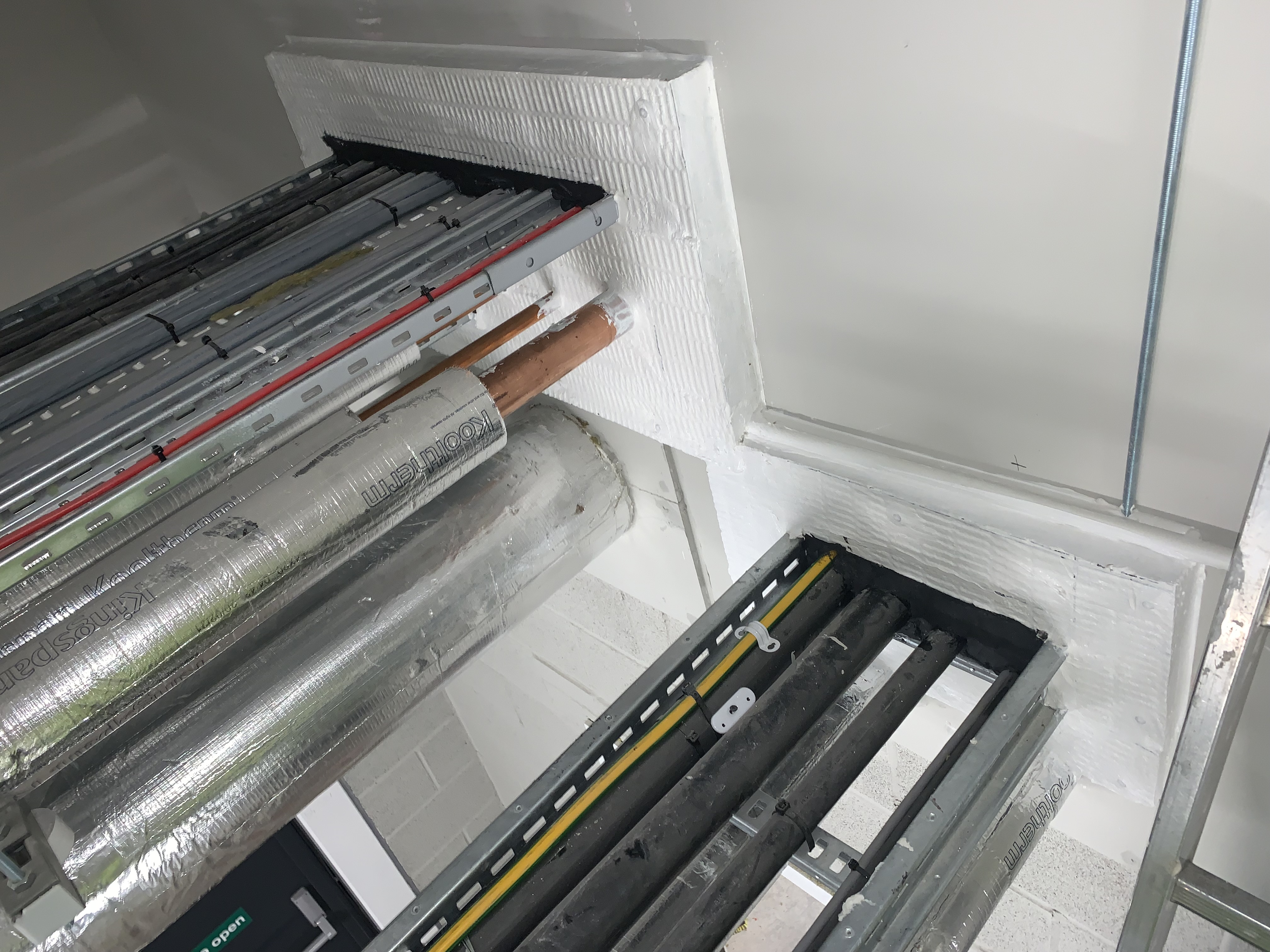

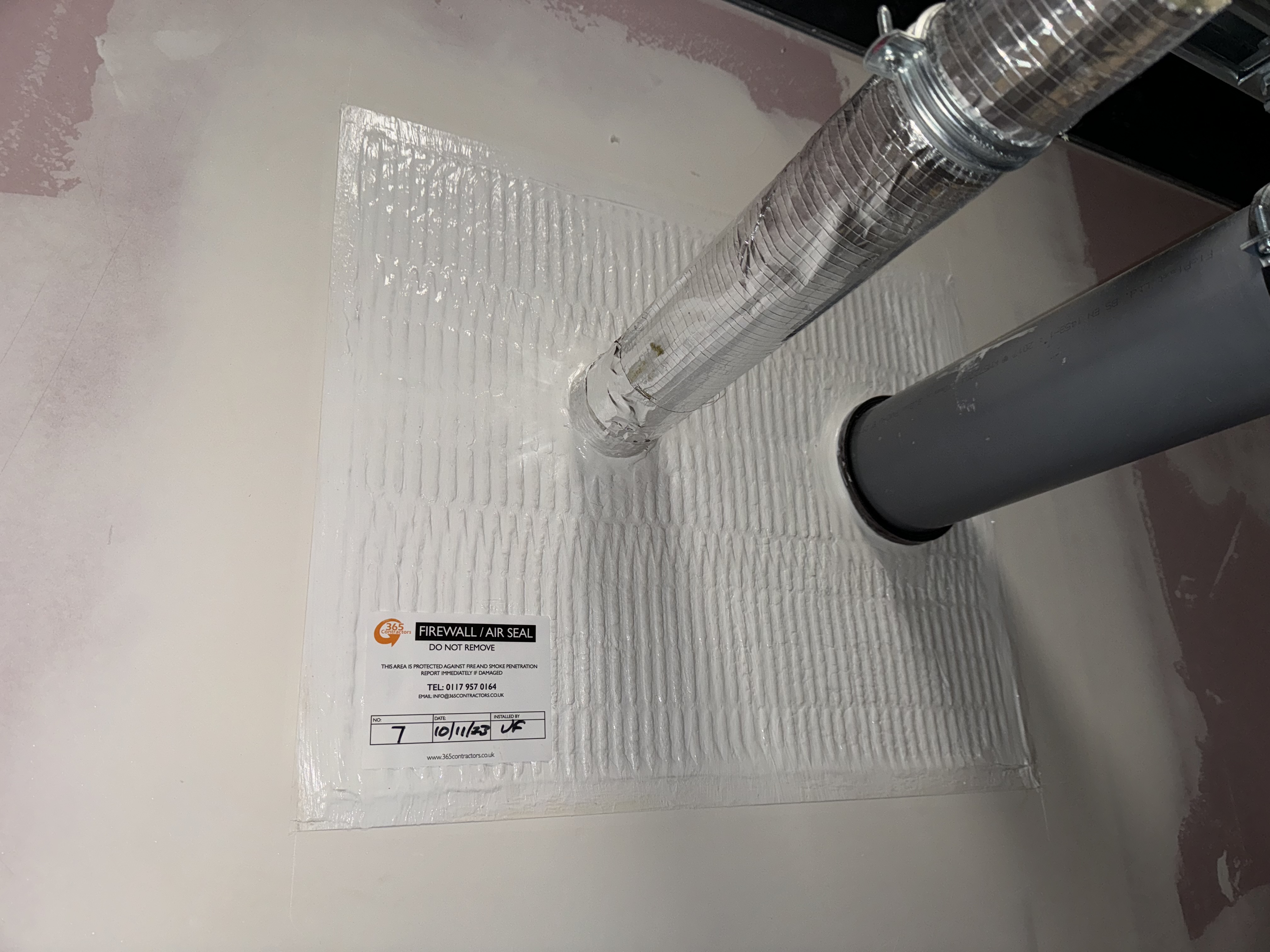
Common Services And Materials Used In Penetration Sealing And Fire Protection
Penetration seals are essential for maintaining the integrity of fire-resistant structures, helping to prevent the spread of fire, smoke, and toxic gases. There are several types of penetration seals, each designed for specific applications and materials. Here are some common types of penetration seals:
- Intumescent Sealants: These seals consist of a material that expands when exposed to heat, effectively sealing the gaps around penetrations and preventing the passage of fire and smoke. Intumescent sealants are commonly used in fire-rated walls, floors, and ceilings to maintain the integrity of the fire compartments.
- Firestop Mortar: Firestop mortar is a dense, non-combustible material that is used to fill voids and openings around penetrations such as pipes, conduits, and cable trays. It hardens when exposed to fire, creating a fire-resistant barrier and restricting the spread of flames.
- Firestop Collars and Wraps: These devices are specifically designed to surround penetrations such as pipes and ducts, providing a protective barrier that expands during a fire to seal off the gaps and prevent fire and smoke from spreading.
- Composite Sheets and Boards: Composite sheets and boards made from fire-resistant materials are used to create barriers around penetrations in walls and floors. They provide a robust layer of protection against the passage of fire and are often used in conjunction with other sealing methods for added safety.
- Penetration Seal Putty: This type of sealant is pliable and moldable, making it suitable for filling gaps and voids around penetrations in various building materials. Penetration seal putty effectively restricts the spread of fire and smoke by sealing off openings in fire-rated assemblies.
Each type of penetration seal plays a crucial role in ensuring the fire resistance of a structure and contributes to overall building safety and compliance with fire regulations. Property owners, facility managers, and construction professionals must carefully select and install the appropriate penetration seals based on the specific requirements of the building and the nature of the penetrations being sealed.